
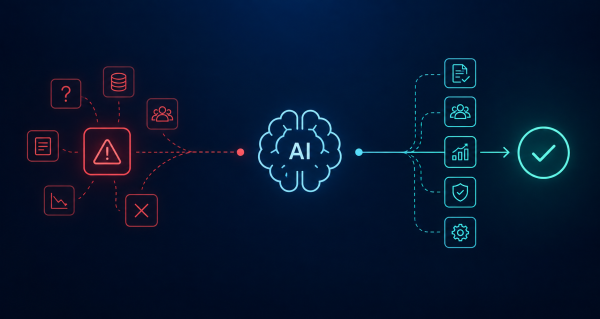
Top 7 AI outsourcing mistakes companies make and how to avoid them
AI outsourcing fails for the same reasons across many enterprise engagements: vague scope, weak vendor vetting, and no plan past the first proof of concept. These seven mistakes can turn...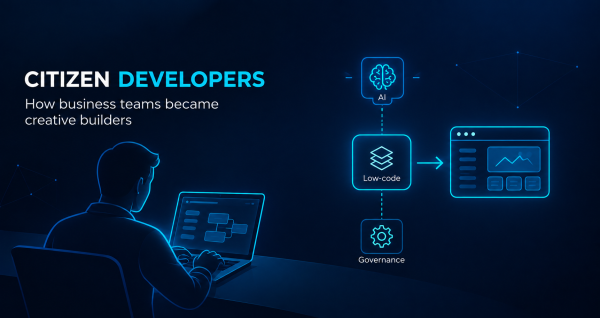
Citizen developers: How business teams became creative builders
Title tag: Citizen Developers: How Business Teams Build Apps | Webellian Meta description: Gartner forecast that 80% of low-code tool users would work outside formal IT by 2026. See how...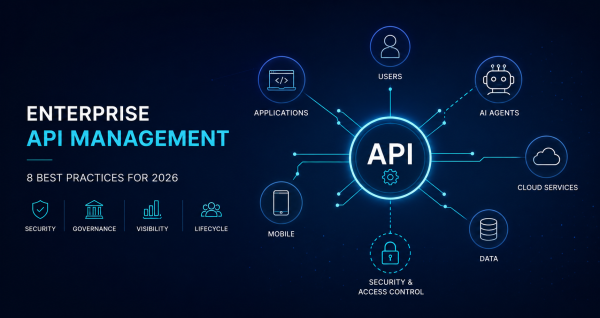
Enterprise API management: 8 best practices for 2026
Most enterprise API management frameworks were designed around predictable consumers such as applications, services, and predefined integrations. Autonomous AI agents change that model because they can dynamically decide which tools...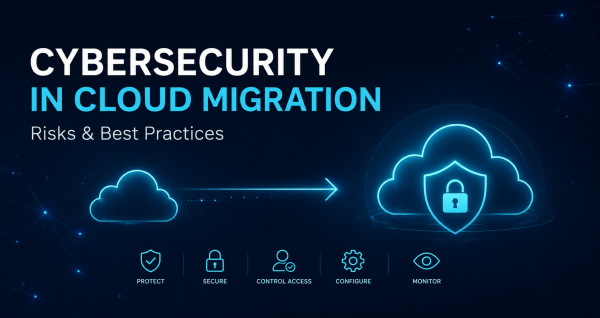
Cybersecurity in cloud migration: risks and best practices
69% of organizations reported experiencing identity and access security incidents in cloud environments in the previous 12 months, according to the 2026 Fortinet Cloud Security Report. Cloud migration security becomes...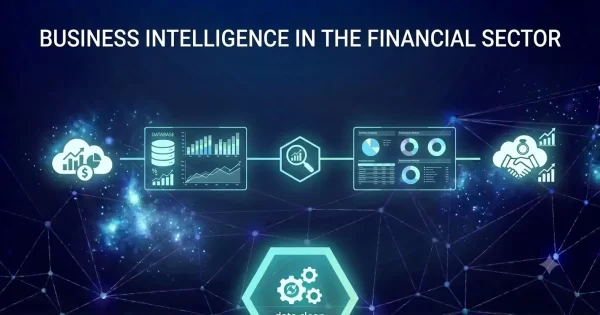
Business Intelligence in the financial sector: from data chaos to competitive advantage
Business Intelligence helps financial institutions turn fragmented transactional data into faster, better-governed decisions. It replaces manual spreadsheets with automated reporting, risk analytics, and real-time dashboards. For CFOs and CTOs, its...
The dashboard as canvas – designing BI reports that inspire action
A BI dashboard is a visual canvas that turns KPIs and data into one decision-ready view. Its impact depends on design: grid structure, eye-scan patterns, typography, and color hierarchy, not...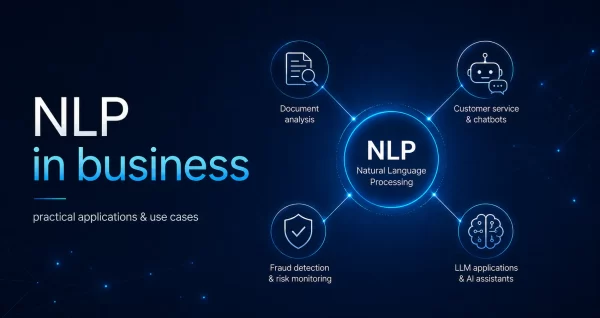
NLP in business: practical applications and use cases
Natural Language Processing (NLP) is the branch of AI that lets software read, analyze, and generate human language. Today, NLP increasingly runs on large language models, blurring the line with...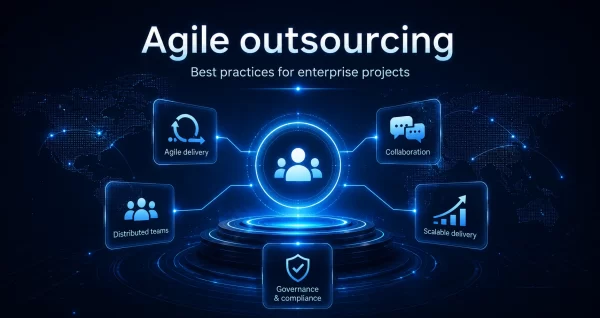
Agile outsourcing best practices for enterprise projects
Agile outsourcing at enterprise scale fails most often not because of methodology, but because governance breaks down across multiple teams and vendors. This guide explains the engagement models, partner-selection criteria,...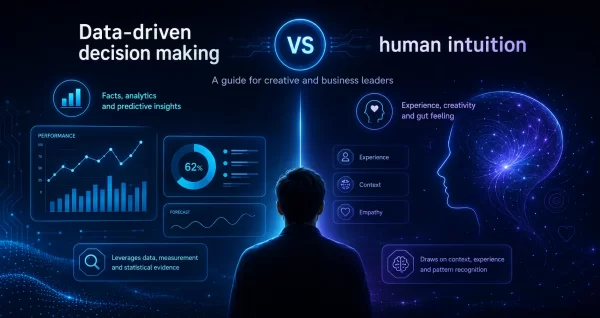
Data-driven decision making vs human intuition: A guide for creative and business leaders
Data-driven decision making and human intuition are not competing approaches. They solve different types of creative and business problems. Predictive models perform best when data is abundant, outcomes are measurable,...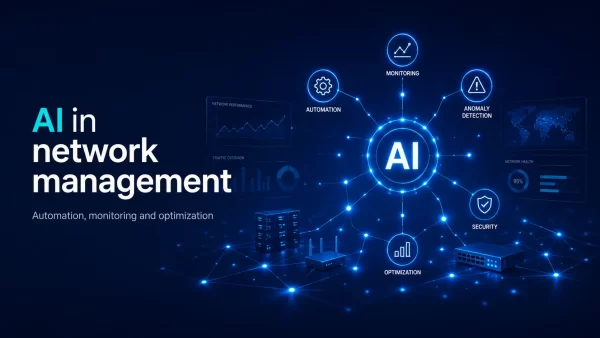
AI in network management: from reactive troubleshooting to self-healing enterprise networks
AI in network management applies machine learning to network telemetry, logs, events and traffic patterns to detect anomalies, predict failures and trigger automated remediation. For enterprises managing hybrid, multi-cloud and...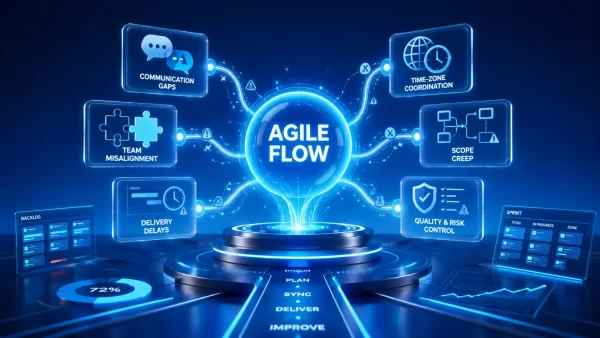
Common agile outsourcing challenges and how to solve them
Agile outsourcing fails not because Agile is unsuitable for distributed teams, but because many companies apply co-located team habits to remote vendor partnerships. Communication gaps, weak sprint ceremonies, unclear ownership,...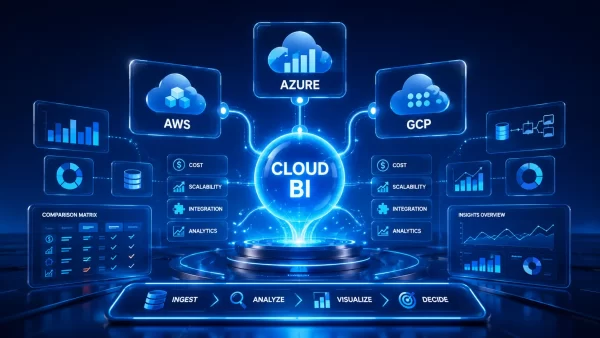
Business intelligence in the cloud: AWS vs Azure vs GCP
Choosing the right cloud platform for Business Intelligence is one of the most important architecture decisions a CTO can make. AWS, Azure and GCP all offer mature Cloud BI stacks,...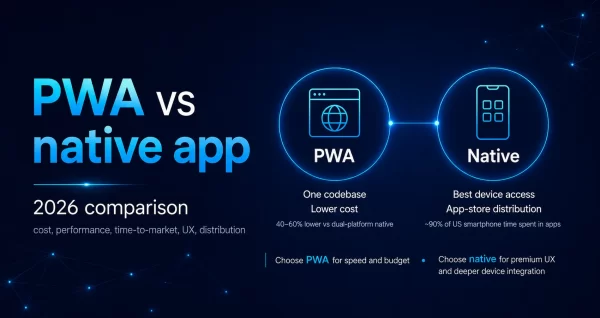
Progressive web apps (PWA) vs native apps: 2026 comparison
A Progressive Web App (PWA) runs in a browser from one codebase, while native apps are built for specific platforms with deeper device access. Industry estimates place PWA development costs...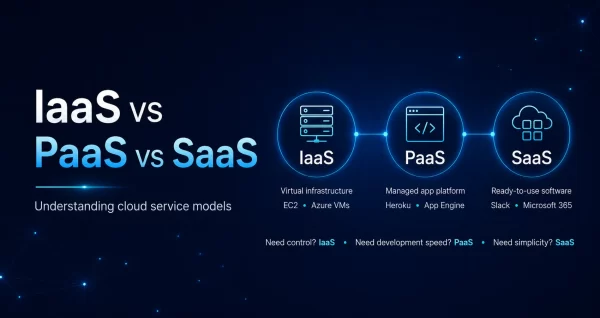
IaaS vs PaaS vs SaaS: Understanding cloud service models
IaaS, PaaS, and SaaS are the three core cloud service models, shifting different shares of management to the provider. Choosing the right one depends on control, cost, and deployment speed...
Move the business, not the mess – cloud migration like architecture for CTOs
Cloud migration is not simply moving workloads between environments, whether from on-premises infrastructure or another cloud provider, such as AWS, Azure or Google Cloud. For enterprise CTOs, it is an...
Cloud computing vs cloud outsourcing – key differences for business leaders
Cloud computing and cloud outsourcing are often treated as interchangeable terms. In reality, they describe two very different decisions. Cloud computing is a technology delivery model. It gives businesses access...
Data science proof of concept: how to plan and execute
A data science PoC validates whether an AI or machine learning solution can solve a specific business problem before you commit budget to full implementation. It is not a demo,...
How to scale your IT team effectively: A decision framework for CTOs
Scaling your IT team is not just a hiring decision. It is a strategic choice between models: staff augmentation, dedicated teams, and nearshore outsourcing. CTOs who apply a structured framework...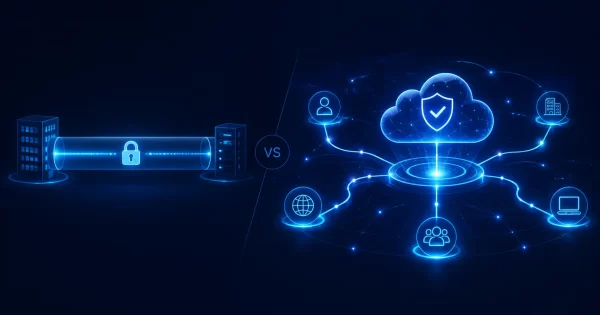
NaaS vs VPN: Security, performance, and cost comparison for enterprise decision makers
NaaS and VPN solve the same fundamental problem: secure network access. But they use radically different architectures, security models, and cost structures. NaaS delivers enterprise networking as a cloud-managed service...
Headless architecture: What it is, why it matters, and when enterprise should adopt it
Headless architecture decouples your frontend presentation layer from your backend systems, connecting them through APIs so each side can scale, update, and evolve independently. This guide goes beyond the definition...
How enterprises use agile outsourcing to scale software delivery without losing control
Agile outsourcing helps enterprises increase software delivery capacity without turning every roadmap gap into an internal hiring project. The business case is faster validated delivery, flexible scaling, measurable governance and...
NaaS vs MPLS – should your enterprise replace private WAN or build a hybrid network?
MPLS is not obsolete, but it is no longer the default answer for every enterprise WAN. The right decision is not “MPLS or NaaS?” but “which workloads still need private-circuit...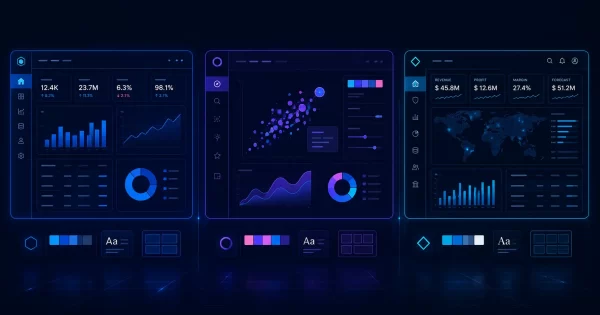
Power BI vs Tableau vs MicroStrategy: which fits your brand?
Power BI, Tableau, and MicroStrategy each rank among the most important analytics and Business Intelligence platforms, but they do not produce the same kind of visual output. That difference matters...
Business intelligence in the financial sector – from data chaos to competitive advantage
Business Intelligence helps financial institutions turn fragmented transactional data into governed decisions. Instead of manual spreadsheets, finance teams get automated reporting, risk dashboards and forecasting in one BI layer. For...
UX as a competitive weapon: designing digital experiences that convert
70% of digital transformations fail to reach their goals. One reason is simple: companies invest in new platforms, systems, and automation, but ignore how people actually use them. Poor user...
Zero trust in corporate networks: principles and implementation guide
A zero trust network changes how corporate security works. Instead of trusting users, devices, or applications because they are inside the company perimeter, every access request is verified continuously. The...
Data storytelling – how to make numbers drive decisions
Data storytelling combines reliable data, purposeful visualization, and structured narrative to turn analytics into decisions, not just reports. For B2B tech leaders, its value is not in making dashboards more...
From dashboards to decision intelligence – how AI is reshaping BI in 2026
AI-powered business intelligence in 2026 transforms enterprise data from static reporting into autonomous, real-time decisions. For CTOs and CIOs, the question is no longer whether to add AI to BI,...
IT outsourcing trends 2026: what CIOs need to know
IT outsourcing in 2026 is no longer primarily about cost reduction. It is about accessing engineering capability, AI expertise, and resilient delivery at speed. For CIOs, six trends are reshaping...
MVP development guide: how to build a minimum viable product
A minimum viable product is the smallest version of your product that delivers real value to early users and generates the feedback needed to decide what to build next. It...
NaaS vs traditional network: what’s the difference
NaaS delivers networking as a cloud service — the provider owns the infrastructure, the enterprise pays a subscription. Traditional networking means buying, deploying, and managing your own routers, switches, firewalls,...
What is RAG? Retrieval-augmented generation explained
RAG, or Retrieval-Augmented Generation, is an AI architecture pattern that extends a large language model by retrieving relevant information from external sources before generating a response. Unlike static fine-tuning, RAG...Stay up to date with Webellian
Follow our LinkedIn newsletter for the latest insights, perspectives and updates from Webellian.