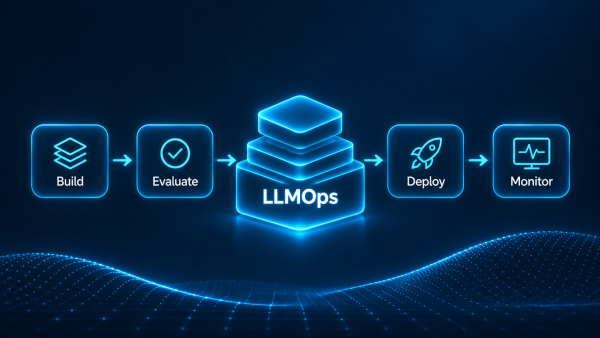
LLMOps: operating large language models in production and controlling what changes their behavior
LLMOps is the set of practices for deploying, evaluating, monitoring and changing large language model applications in production. This guide explains which application components can change behavior, how to test...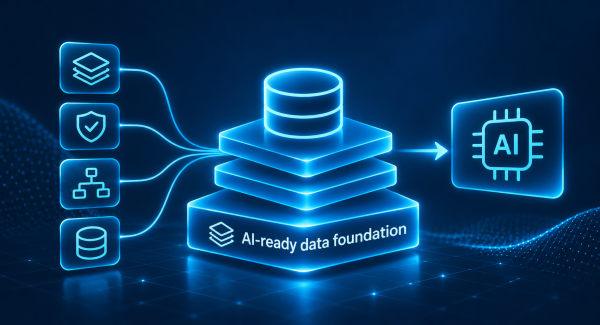
Is your data ready for AI? What an AI-ready data foundation actually requires
AI-ready data is data that fits a specific AI use case: representative, documented, governed and reliably accessible to AI systems during development and production, whether for training, retrieval, inference or...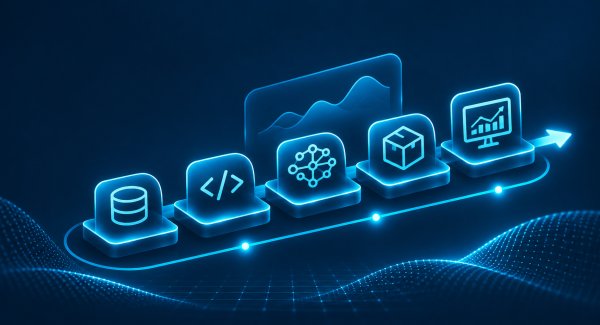
MLOps: Putting machine learning models into production, and building only the pipeline your stage needs
MLOps is the set of practices that takes a machine learning model from development into production and provides the processes needed to monitor, evaluate and maintain its performance over time....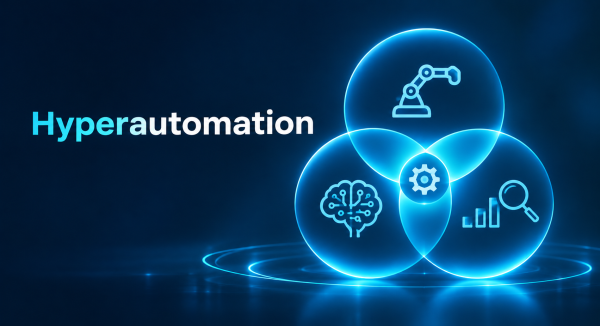
Hyperautomation: Combining RPA, AI and process mining into one stack, and knowing when it pays off
Hyperautomation brings RPA, AI, process mining, low-code, integration and orchestration together to automate business processes where automation creates value. This guide explains the five architectural layers that can support a...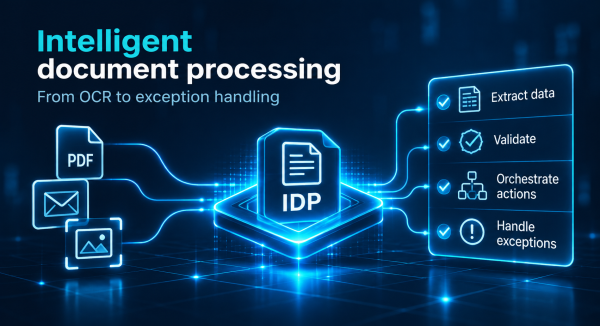
Intelligent document processing: Automating unstructured workflows, from OCR to exception handling
Intelligent document processing (IDP) turns emails, PDFs and scans into validated data that business systems can use. This guide compares document extraction approaches, from OCR and templates to trained models...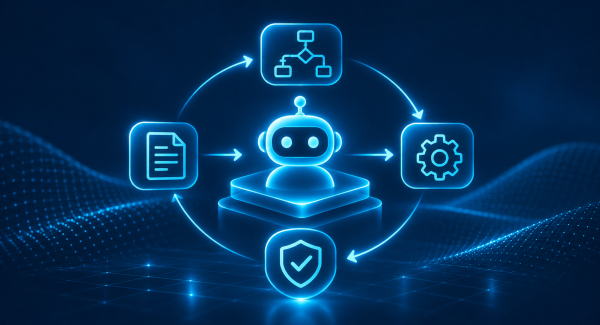
Agentic workflows in the enterprise: Architecture, design patterns and control points
An agentic workflow uses AI agents to perform tasks and make decisions within limits you design. Its execution path may be determined by code or dynamically orchestrated by a model....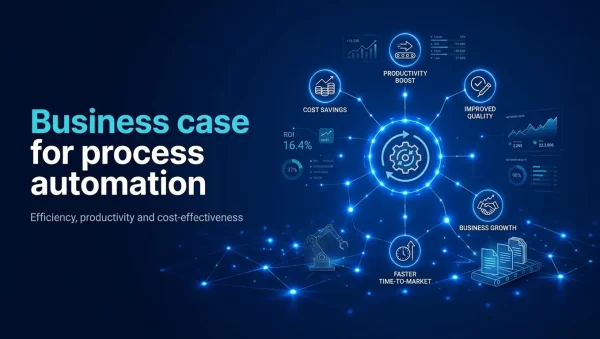
The business case for process automation: from capacity to realized value
A strong process automation business case values faster cycle times, released cash, fewer errors, lower risk and growth without proportional hiring, not just fewer people. It also counts the full...
Process mining: finding automation opportunities in your operations
Process mining reconstructs how processes actually run from event logs already recorded by ERP, CRM and service systems. For operations leaders, its value is evidence: it shows where activity volumes,...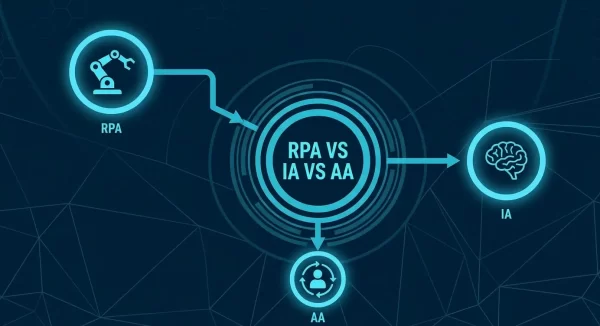
RPA vs intelligent automation vs agentic automation: what’s the difference?
RPA follows a fixed script, intelligent automation adds AI models that interpret data, and agentic automation uses AI agents that choose actions toward a goal. In this article, we use...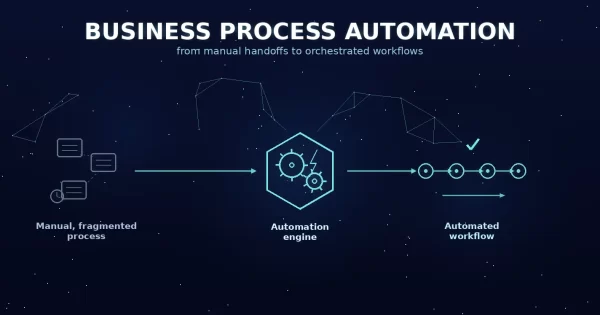
What is business process automation? A practical guide for operations leaders
Business process automation (BPA) uses software to run repeatable, multi-step business processes with minimal manual work. For operations leaders, the challenge is choosing the right processes, architecture, ownership model and...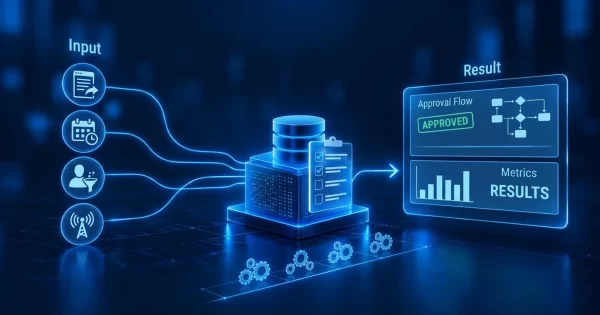
Workflow automation: which processes to automate first (and which to leave)
Automate first the workflows that are frequent, rules-based, standardized and clearly owned, with reliable digital inputs and measurable business impact. Fix unstable processes before automating them, keep people in judgment-heavy...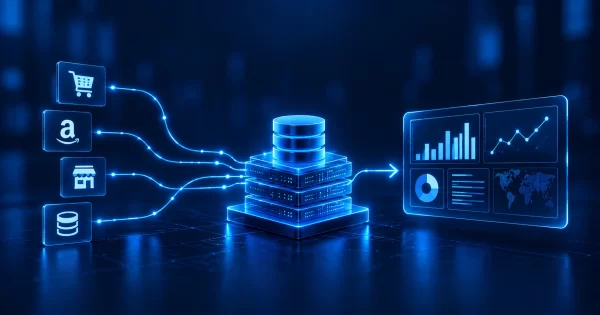
E-commerce BI architecture: turning fragmented commerce data into a decision layer
E-commerce business intelligence is not another dashboard layer. It should be used to connect order, product, customer, marketing, inventory, and behavioral data into a governed decision system. For enterprise commerce...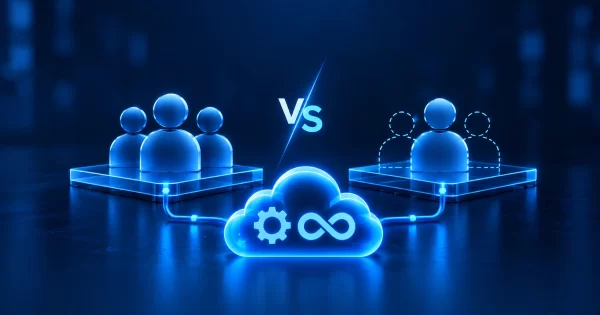
Dedicated development team vs staff augmentation: who should own cloud and DevOps delivery?
A dedicated development team gives you a stable external team with broader collective responsibility, while staff augmentation adds specialists who usually work inside your existing delivery structure. At Webellian, we...
The art of the distributed team: how nearshore software teams build creative flow
Distributed teams don’t lose creative momentum to geography – they lose it when nobody designs for it. 92% of Atlassians say their location flexibility allows them to do their best...
Cybersecurity as chess: thinking 5 moves ahead with agentic AI
92% of cybersecurity professionals surveyed by Darktrace are concerned about the use of AI agents across the workforce and their impact on security. Agentic AI has turned cybersecurity into a...
AI agents in business: build on your data and cloud platform, not around it
AI agents can plan and execute multi-step work across enterprise data, applications, and APIs. But the agent itself is only one component. At Webellian, we believe the harder problem is...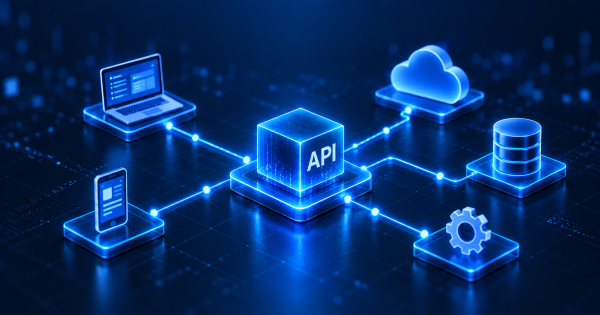
What is API-first development? And why it matters for modern software teams
API-first development means treating APIs as reusable, governed building blocks throughout the software lifecycle, rather than interfaces added after implementation. In Postman’s latest State of the API report, 82% of...
How to choose a reliable IT outsourcing partner in 2026: what we would verify before signing
A reliable IT outsourcing partner should prove relevant technical capability, including cloud and DevOps where the engagement requires it, and transparent commercial terms before the contract is signed. At Webellian,...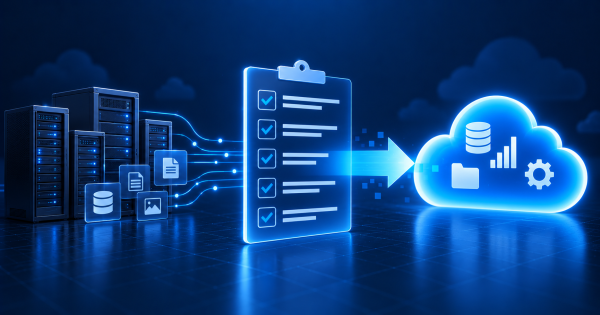
Cloud migration checklist: 15 steps to a smooth transition
A cloud migration checklist turns a complex move to AWS, Azure or Google Cloud into a sequence you can actually execute, from workload assessment to post-migration optimization. This guide organizes...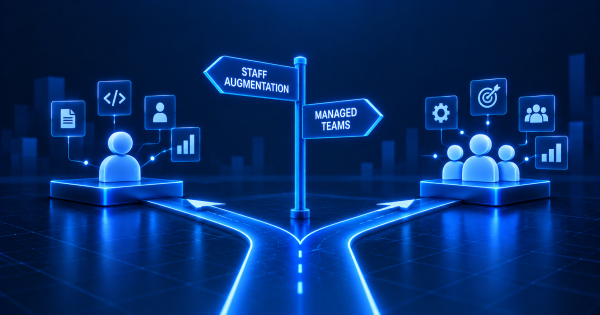
Staff augmentation vs managed teams: a decision guide for EU/US companies
Choosing between staff augmentation and a managed team changes who owns delivery, how much working-hour overlap you need and how compliance is organized. For EU buyers, Poland and other CEE...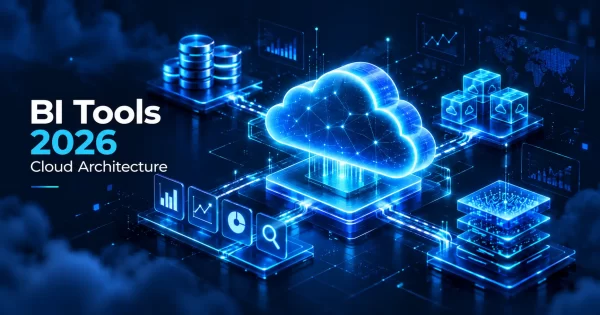
Business intelligence tools in 2026: choosing for cloud architecture, not dashboards
The top business intelligence tools in 2026 compete on cloud architecture, governed semantics, AI, and integration, not dashboard aesthetics alone. For enterprises modernizing their data estate, the right BI platform...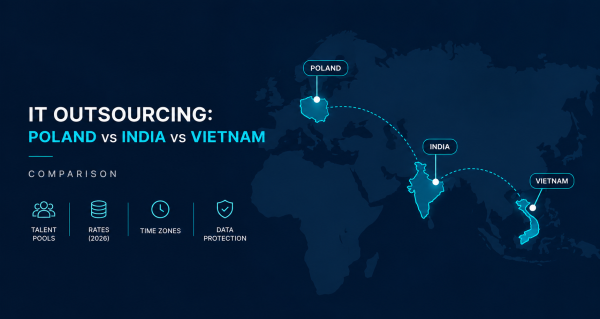
IT outsourcing: Poland vs India vs Vietnam comparison
Poland ranks 23rd globally in the Vocational and Technical Skills pillar of the 2025 Global Talent Competitiveness Index, ahead of Vietnam and India on that specific measure, but country-level talent...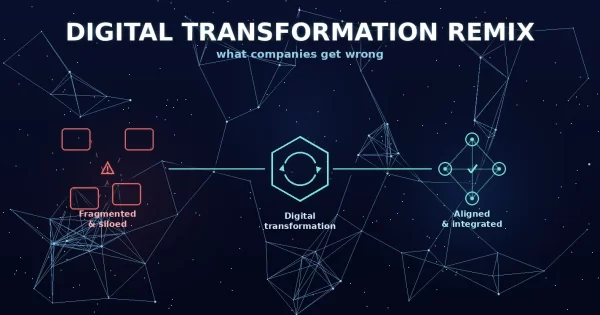
Digital transformation remix: what companies get wrong?
Digital transformation can fail for many reasons, from unclear strategy and weak executive ownership to poor adoption and disconnected technology decisions. One common mistake is copying technologies, operating models, or...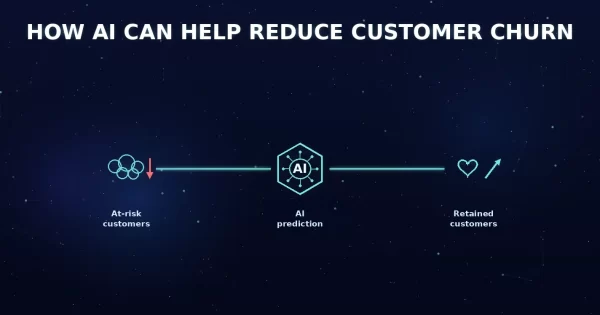
How AI can help to reduce customer churn?
AI can help to reduce customer churn by scoring behavioral, product, support, and billing data to identify accounts at risk before they cancel. The algorithm is only one part of...
What is a data mart? How to build a cloud analytics layer
A data mart is a focused, subject oriented subset of enterprise data designed for a specific department or business function. In modern cloud environments, it is not simply a smaller...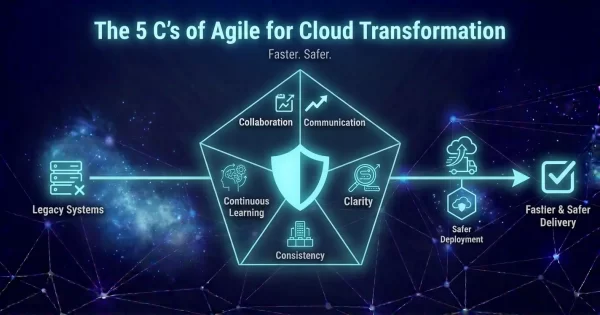
The 5 C’s of Agile for faster and safer cloud transformation
The 5 C’s of Agile are Communication, Collaboration, Commitment, Customer and Continuous Improvement. In enterprise cloud migration and DevOps, we use these principles to turn Agile from a set of...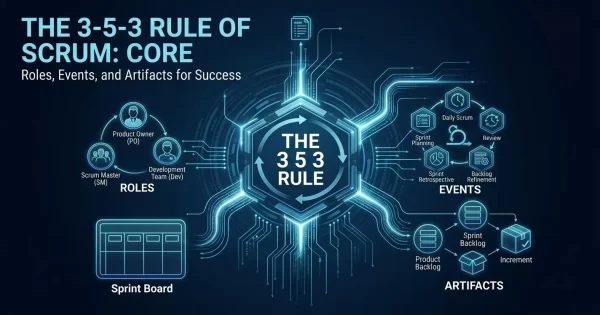
The 3 5 3 rule of Scrum for DevOps teams
The 3-5-3 rule of Scrum is a practical mnemonic for Scrum’s 3 accountabilities, 5 events, and 3 artifacts. It is not official Scrum Guide terminology, but it provides a useful...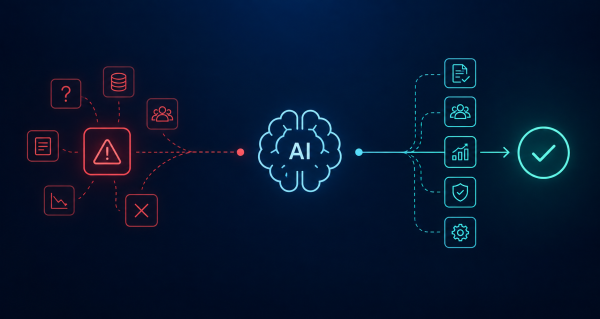
Top 7 AI outsourcing mistakes companies make and how to avoid them
AI outsourcing fails for the same reasons across many enterprise engagements: vague scope, weak vendor vetting, and no plan past the first proof of concept. These seven mistakes can turn...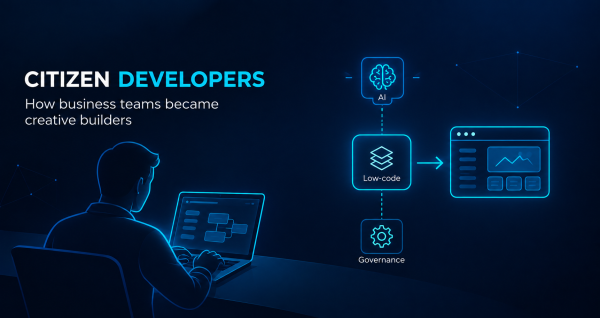
Citizen developers: How business teams became creative builders
Title tag: Citizen Developers: How Business Teams Build Apps | Webellian Meta description: Gartner forecast that 80% of low-code tool users would work outside formal IT by 2026. See how...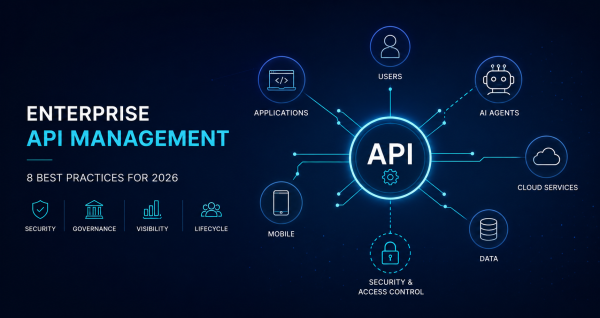
Enterprise API management: 8 best practices for 2026
Most enterprise API management frameworks were designed around predictable consumers such as applications, services, and predefined integrations. Autonomous AI agents change that model because they can dynamically decide which tools...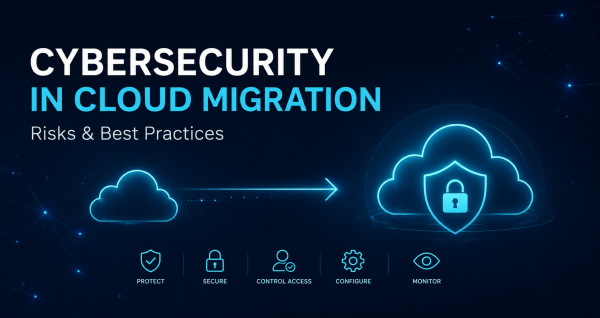
Cybersecurity in cloud migration: risks and best practices
69% of organizations reported experiencing identity and access security incidents in cloud environments in the previous 12 months, according to the 2026 Fortinet Cloud Security Report. Cloud migration security becomes...